Tbilisi vs Batumi: Where Should You Live?

Choosing between Tbilisi and Batumi is not just a question of which city looks better in photos. Tbilisi is Georgia’s capital, a large and layered city with a developed year-round infrastructure. Batumi is a compact Black Sea city with a different climate, a different rhythm, and a much stronger seasonal pulse. Anyone comparing Tbilisi vs Batumi purely by rental prices is missing the bigger picture. Climate, work opportunities, transport, neighborhood character, and how a city feels in January rather than August all shape daily life far more than a single price tag.
This guide walks through the practical differences that matter to people actually planning to live in Georgia, not just visit it. For current listings and detailed property data across both cities, you can explore the catalog at residence-estate.ge.
Tbilisi vs Batumi at a Glance
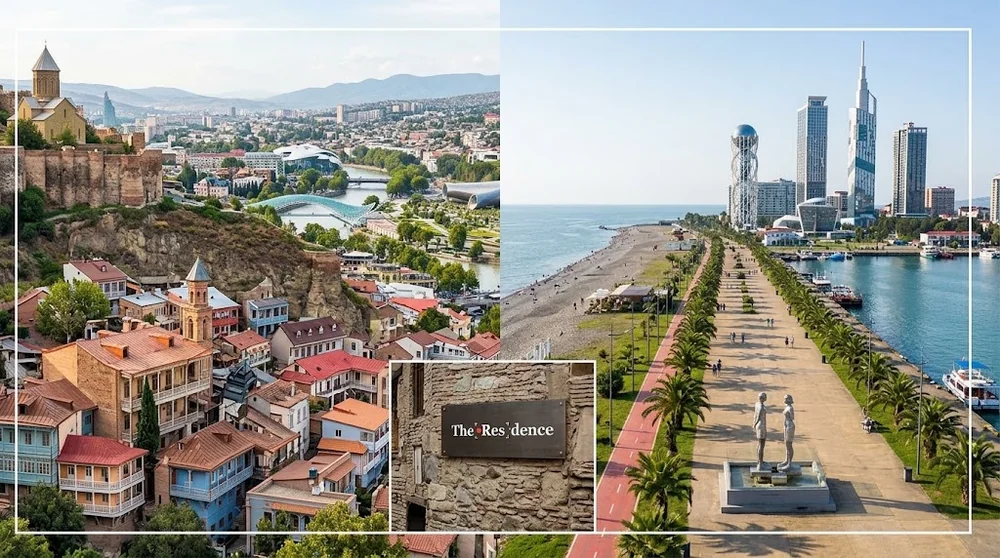
Before going deeper, it helps to see the two cities side by side. Tbilisi is Georgia’s largest urban center, spread across hills along the Mtkvari River, with a mix of historic districts and newer residential zones. Batumi sits directly on the coast in the Adjara region, smaller in scale and far more shaped by tourism and the sea. Neither city is objectively “better” — they simply serve different priorities.
| Factor | Tbilisi | Batumi |
|---|---|---|
| City character | Large, layered, capital-city pace | Compact, coastal, resort-influenced |
| Climate | Drier, more continental | Humid subtropical, high rainfall |
| Size and pace | Sprawling, faster tempo | Small, walkable core |
| Housing | Wide range of neighborhoods and building ages | Strong new-build supply, seasonal pricing |
| Seasonal changes | Moderate, steady year-round | Significant summer-to-winter shift |
| Public transport | Metro, buses, extensive network | Buses, walking, no metro |
| Work and business | Larger professional and business hub | Smaller local market, tourism-driven |
| Family infrastructure | Broader choice of schools and clinics | Growing but smaller-scale options |
| International connections | Main international airport hub | Regional airport, seasonal flight volume |
| Best suited for | Career-focused, city-oriented living | Sea-oriented, slower-paced living |
Two Very Different Ways to Live
Life in Tbilisi
Tbilisi feels like a full capital city. Districts vary sharply in character, from the narrow streets of the Old Town to the leafy avenues of Vake or the dense residential blocks of Saburtalo. Restaurants, galleries, and cultural events run continuously, not just in high season. The professional and international community is noticeably larger, which matters for anyone building a network or a business. The trade-off is traffic and noise: certain corridors get congested at peak hours, and the hilly terrain means some walks are steeper than a map suggests. What Tbilisi offers in exchange is a city that stays active in every month of the year.
Life in Batumi
Batumi operates on a smaller scale. Much of daily life can happen on foot in the central districts, and the sea is a constant physical presence rather than an occasional weekend trip. The boulevard, the port area, and the compact grid of streets create a relaxed, coastal rhythm. Tourism shapes the city heavily, though — restaurants, prices, and street life shift noticeably between the busy summer months and the quieter off-season. Someone who enjoys that contrast may find it refreshing; someone who wants consistency year-round may find it disruptive.
Climate Can Change the Decision
Climate is where the comparison often gets decided in practice, even if people focus on it last. Tbilisi has a drier, more continental feel: hot summers, colder winters, and generally lower humidity than the coast. Batumi has a humid subtropical climate with considerably higher rainfall, especially in autumn and winter, and noticeably milder winter temperatures than Tbilisi. Summers in Batumi are warm and humid rather than dry.
These differences affect more than comfort on a walk. Humidity influences how apartments need to be ventilated, how quickly mold can become an issue, and how much heating or dehumidifying equipment is realistically needed. Winters in Tbilisi call for reliable heating; winters in Batumi call for managing dampness. A sea view does not offset a climate that does not agree with someone physically.
The honest way to weigh climate is not “which is nicer” but “which one you can live inside comfortably for months at a time, not just enjoy for a week.”
What Does Everyday Life Cost?
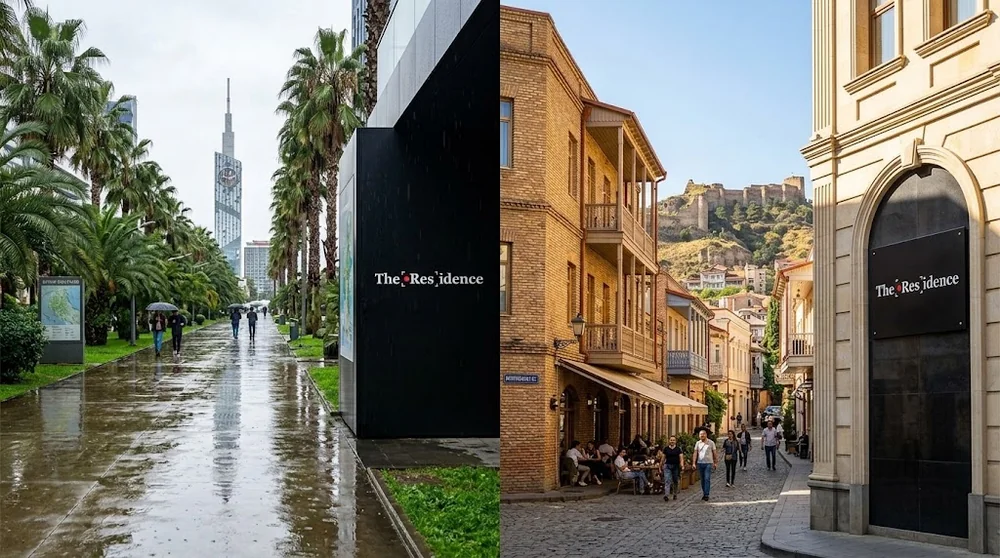
Cost of living comparisons are only useful as ranges, not guarantees. Actual monthly spending depends heavily on neighborhood, apartment size, lease length, season, and personal habits, so treat any figure as a starting point for research rather than a fixed number.
In both cities, long-term rent is generally the largest expense, followed by utilities, groceries, transport, and eating out. Tbilisi tends to have a wider spread of prices depending on district — central, renovated apartments cost noticeably more than similar units farther from the center. Batumi’s pricing is shaped strongly by proximity to the sea and by season: a long-term lease signed in winter can be considerably cheaper than the same apartment rented during peak summer months, when short-term tourist demand pulls prices up across the city.
| Category | Tbilisi | Batumi | What affects the cost |
|---|---|---|---|
| Long-term rent | Varies widely by district | Strong seasonal swings | Location, season, building age |
| Utilities | Higher heating use in winter | Higher humidity control needs | Climate, apartment insulation |
| Groceries | Broad range of stores | Similar, fewer chain options | Local vs imported goods |
| Dining out | Wide price range | Higher in tourist season | Season, location |
| Transport | Metro and buses, low fares | Buses, mostly walkable | Distance from center |
Figures are typically quoted in Georgian lari (GEL). Prices shift over time, so treat any specific number found online as an approximation tied to when it was published, not a current guarantee.
Housing Is More Than Monthly Rent
Choosing a Home in Tbilisi
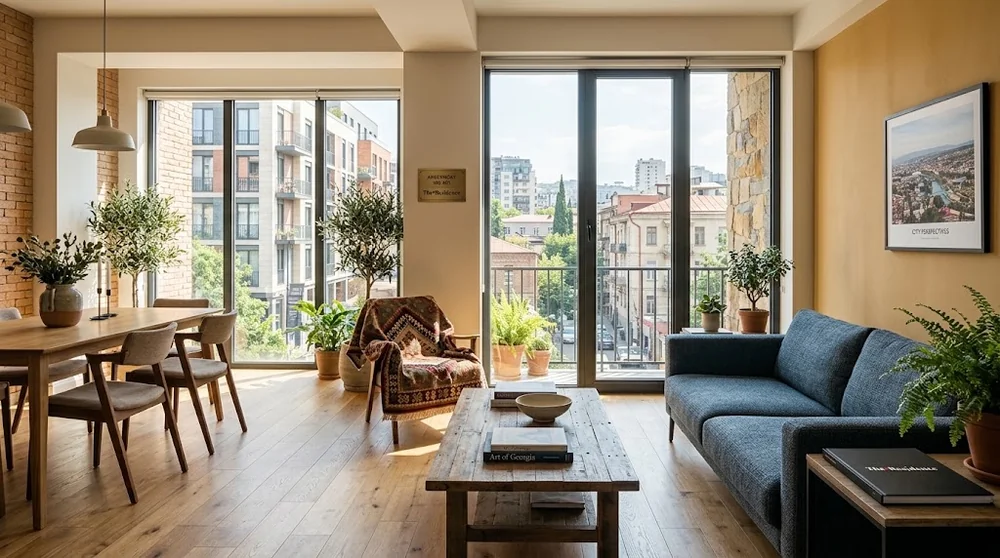
Tbilisi’s neighborhoods differ enough that the “best” district depends entirely on lifestyle. Vake and Vera are known for a more established, leafy feel; Saburtalo offers newer housing stock and easier access to business areas; Old Tbilisi has character but older buildings and narrower streets. A central, prestigious address is not automatically the most practical choice — commute time, school proximity, parking, and the steepness of the terrain matter just as much as the neighborhood’s reputation.
Choosing a Home in Batumi
In Batumi, Old Batumi and the area around the Old Boulevard offer walkable, historic streets, while the New Boulevard area is dominated by newer high-rise developments closer to the sea. Quieter residential streets set back from the coastline tend to suit permanent residents better than beachfront towers built primarily for tourists. A resort-style studio and a proper year-round apartment are not the same product: ventilation, sound insulation, and heating quality vary a great deal between a building designed for summer guests and one designed for full-time living.
Renting or Buying?
For most newcomers, renting first in the city and district they are considering is the more sensible path before committing to a purchase. This applies equally in Tbilisi and Batumi: a neighborhood that feels appealing in one season can feel very different in another. If property purchase by foreign nationals comes up, treat only clearly confirmed, current rules as reliable, and check specifics with a qualified local professional rather than relying on general online claims.
- Visit the apartment at a different time of day than the viewing appointment
- Ask about heating type and typical winter utility costs
- Check for signs of dampness, especially in Batumi properties
- Confirm whether the lease price changes seasonally
- Walk the actual daily route to work, school, or transport stops
Work, Schools and Daily Infrastructure
Tbilisi has a larger pool of coworking spaces, businesses, and professional services simply because of its size, which gives remote workers and entrepreneurs more choice in networking and infrastructure. Batumi has a growing but smaller coworking and business scene, more tied to tourism-related industries. Internet connectivity is generally reliable in both cities’ urban centers, though it is always worth confirming speeds at a specific address before signing a lease.
Both cities have private medical clinics and pharmacies; Tbilisi simply offers a wider range of specialists and larger hospitals given its population size. On education, both cities have some international school options, though Tbilisi’s selection is broader. Banking, major retail chains, and everyday services are accessible in both cities year-round, though Batumi’s smaller businesses can see reduced hours during the off-season.
Getting Around
Tbilisi’s public transport includes a metro line network alongside buses, which helps offset the city’s sprawl and hilly geography. Still, traffic during peak hours can make a short map distance take much longer in practice, particularly across the river or up toward hillside neighborhoods. Batumi has no metro, but its small size means many residents simply walk between home, work, and the boulevard. Buses cover the wider city, and the compact center gets noticeably busier and slower during peak summer tourism.
The practical lesson in both cities is the same: distance on a map is not the same as time on a daily commute. Checking an actual route at a realistic hour matters more than checking kilometers.
Which City Fits Your Lifestyle?
Choose Tbilisi if…
- You want a large city with year-round cultural and professional activity
- Your work depends on business networking or an international community
- You need a wider range of schools, clinics, or specialized services
- You prefer capital-city energy over coastal, resort-driven life
Choose Batumi if…
- Living near the sea is a genuine daily priority, not a scenic bonus
- You want a compact, walkable city rather than a sprawling one
- Remote work means you are not dependent on the local job market
- You are comfortable with a humid climate and a strong seasonal rhythm
Try Both Before Deciding
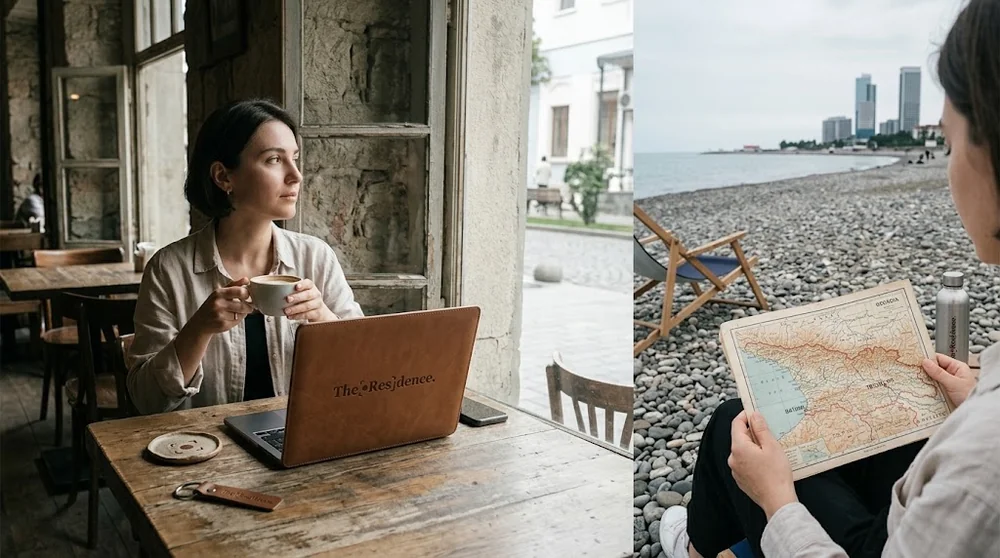
If circumstances allow, spend part of an ordinary working stretch — not a vacation week — in each city. Seeing Batumi outside peak summer and Tbilisi outside its mildest months gives a far more honest picture than a short holiday visit ever can.
Frequently Asked Questions
Is Tbilisi or Batumi better for expats?
Neither is universally better. Tbilisi suits people who want a larger city with more professional and social infrastructure, while Batumi suits those prioritizing a coastal, compact lifestyle. The right choice depends on personal priorities rather than a fixed ranking.
Is Batumi cheaper than Tbilisi?
It can be, particularly outside peak season, but not always. Batumi’s costs fluctuate more due to tourism, while Tbilisi’s costs vary mainly by district. Comparing specific neighborhoods and seasons gives a more accurate picture than a general assumption.
Which city is better for remote workers?
Tbilisi offers more coworking spaces and a larger professional community. Batumi can still work well for remote workers who value lifestyle and climate over networking opportunities, since the job itself doesn’t depend on the local market.
Is Batumi suitable for year-round living?
Yes, though it feels different across seasons. Winters are quieter and wetter, summers are busy and tourism-driven. People who enjoy that contrast tend to adapt well; those who prefer consistency may find Tbilisi steadier.
Which city is better for families?
Tbilisi generally offers a broader range of schools and healthcare options due to its size. Batumi has growing family infrastructure but on a smaller scale, so it’s worth checking specific school and clinic options in the target neighborhood.
Should I rent before buying property in Georgia?
For most newcomers, yes. Renting first allows time to understand a neighborhood, season, and daily routine before making a longer-term housing commitment, in either Tbilisi or Batumi.
Final Thoughts
Tbilisi and Batumi offer two genuinely different versions of life in Georgia. Tbilisi suits people who want the depth of a real capital city — wider professional opportunities, more schools and clinics, and activity that doesn’t slow down between seasons. Batumi suits people for whom the sea, a compact walkable center, and a slower coastal rhythm outweigh a smaller scale of infrastructure and a more pronounced seasonal shift.
Neither city wins a general ranking, because the comparison isn’t really about rankings. It’s about how someone plans to spend an ordinary Monday, not a week of holiday — and that answer looks different for almost everyone.